
Driver’s Guide to Hazard Perception
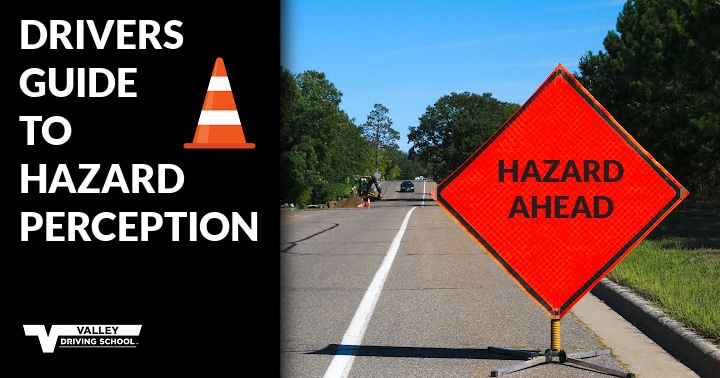
When someone gets behind the wheel of a car, they take on the responsibility of ensuring safety for themselves and everyone else on the road. This responsibility goes beyond simply following traffic signs; it requires a critical skill known as hazard perception. For new drivers preparing for their road test, this skill is an important component, and it remains a daily necessity for every driver, whether they are maneuvering a sedan, a heavy truck, or a public bus.
Read on for the breakdown on what hazard perception is, and how you can incorporate it into your everyday driving.
What is Hazard Perception?
Hazard perception is fundamentally about observing and predicting. It involves constant scanning of the whole area around your vehicle, which includes looking far ahead, checking your mirrors, and scanning the road surrounding you. The goal is to monitor the road surface, what is happening nearby, and other road users including pedestrians so that you can anticipate risks and make safe decisions. This constant scanning is the essence of staying safe.
For example, a new driver should scan far ahead to see brake lights in the distance, check side streets for cars or pedestrians, and monitor their mirrors every 3 to 5 seconds. Driving a large truck or a bus, for instance, introduces additional blind spots and longer stopping distances. A Class 1 driver relies heavily on hazard perception to manage the momentum and size of their vehicle; a practice that is thoroughly taught during MELT (Mandatory Entry-Level Training) programs. While the complexity increases, the core skill – identifying potential danger – remains the same.
Potential dangers can generally be grouped into four categories. These categories are other road users, road conditions and infrastructure, visibility problems, and weather conditions.
Other Road Users
Other drivers and pedestrians are a frequent and often unpredictable hazard. In the busy Lower Mainland, particularly in denser areas like parts of Vancouver or Surrey, you need to be prepared for sudden interactions.
Pedestrians and Cyclists: People on foot or bicycles near intersections, bus stops, or school zones. In a city like Abbotsford, cyclists often share road lanes with vehicles and you should slow down to give them the right of way. You are allowed to pass these cyclists, but will have to wait until it is safe to do so by using the oncoming lane.
Vehicles: Cars or trucks that are moving erratically, are speeding, or vehicles that are suddenly entering or exiting their lane. Keep a safe distance from vehicles showing signs of distracted driving or failing to signal their intentions.
Animals: Be watchful for pets and their handlers near the roadside or exiting parked vehicles. Watch for loose leashes or sudden movements near car doors that suggest an animal or person is about to step into your path.
Children Playing: This is a common sight in residential neighbourhoods and drivers should use caution and reduce their speed. Children are often difficult to see behind parked cars or hedges and can be unpredictable, making it essential to slow down and be prepared to stop suddenly.
Road Conditions and Infrastructure
The physical state of the road and its design can create unexpected challenges. Unlike other drivers, these hazards are often stationary, but they require quick adjustments to your speed and steering.

Surface Hazards: Potholes, loose gravel, or debris like fallen branches and tipped garbage cans can cause you to lose traction or control if you drive through them. Scan the pavement well ahead to avoid hitting these obstacles, and use empty road space to maneuver around them.
Roadway Design: Be mindful of hidden hazards like steep hills, sharp curves, or areas with no sidewalks where pedestrians are forced to walk onto the roadway. Speed bumps and narrow lanes also require a reduction in speed to maintain vehicle stability.
Missing Cues: In some areas, you may encounter roads with no painted lines or poor lighting. In these cases, rely on your vehicle positioning and other road cues – like reflective poles along the side of the road, road signs that would indicate where the road ends, and estimating lane width.
Parked Vehicles: A line of parked cars effectively narrows the road. Watch for stealth hazards like opening doors or someone pulling out from a driveway or the side of the road.
Visibility Problems
If you cannot see a potential danger, you cannot respond to it. Maintaining a clear line of sight, or recognizing the lack of sight, is a fundamental part of hazard perception.
Obstructions: Large vehicles, trees, or buildings that obstruct your view, especially when approaching intersections. A tall truck waiting at a light, for example, might block your view of a small car or pedestrian crossing in front of it.
Blind Spots: These are areas immediately around your car or truck that are hidden from your view, even when using mirrors. Being aware of these blind spots is important, as they can conceal things like pedestrians, cyclists, or smaller vehicles. You can narrow your blind spots by properly adjusting your mirrors, as well as making frequent shoulder checks before changing your vehicle position.
Vehicle Position: Driving too close to the vehicle ahead or positioning your vehicle too far to one side of the lane can hinder your ability to see past an obstacle. Whenever possible, stagger your position relative to vehicles in adjacent lanes to avoid driving in their blind spots and to ensure you have an open space for emergency maneuvering.
Weather Conditions

Weather directly affects road safety by potentially impairing both your ability to see and control over your vehicle.
Slippery Roads: Rain, snow, or ice can reduce traction. A sudden rainfall on a summer day can mix with engine oil on the pavement, creating a very slippery surface. Be cautious even when the air temperature is above zero, as ground temperatures can stay colder, allowing black ice or frost to form on bridges and shaded patches of road.
Glare and Low Visibility: The sun can be a direct hazard, shining into your eyes or creating glare on the road surface. In heavy rain, be prepared for mirror glare, where headlights reflect off wet pavement and obscure painted lines. If you experience mirror glare, use the shoulder line – otherwise known as the fog line – to help guide your positioning.
What is running commentary?
Running commentary is the practice of narrating your driving environment and intentions out loud as you drive. It is a technique used by advanced drivers and instructors to sharpen hazard perception and mental focus. By verbalizing what you see and how you plan to respond, you transition from autopilot to active engagement. This process locks in your concentration, ensuring that your eyes, brain, and hands are all working in perfect sync to manage the road ahead.
When verbalizing a hazard during your road test, make sure to be clear, concise, and confident. You should identify the hazard and then briefly explain the potential impact on your driving decisions.
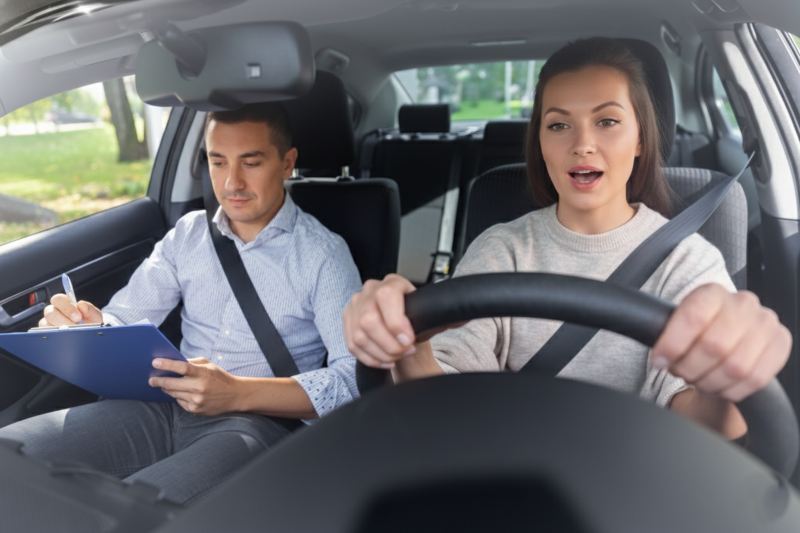
Here are examples of effective commentary:
“There is a pedestrian on the corner. I am easing off the accelerator and being prepared to stop if they step into the crosswalk.”
“I see the sun is directly ahead of me and creating glare on the pavement. I am adjusting my speed slightly and tilting my sun visor to help with visibility.”
“There is a delivery truck double-parked up ahead, forcing traffic to merge left. I will signal early and check my mirrors and blind spots before changing lanes.”
“I see a vehicle in the parking lot backing out. I will slow down and give them space to complete their maneuver.”
“I see loose gravel on the shoulder ahead of this curve. I am slowing down now to ensure I maintain traction through the turn.”
Practicing this running commentary regularly is a beneficial habit for all drivers. It forces your mind to consciously link what you see with the action you take, turning awareness into a safe driving habit. This level of focus is not just for the beginner, it’s the mindset of a professional driver, from those learning to drive a commercial vehicle to those simply driving the family car.
All the elements of hazard perception, from identifying pedestrians to accounting for weather, come together when you are actively driving. This is where the skill of the running commentary becomes a powerful tool, not just for passing your road test, but for developing a permanent safe driving mindset.
–
Hazard perception is an ongoing, vital skill that all drivers should master. Whether you are a new driver preparing for a road test, an experienced driver getting a Class 4 Unrestricted licence, or a senior driver seeking to maintain excellent habits, being able to identify and articulate potential dangers is key. By consistently practicing this proactive approach, you demonstrate that you are prepared to respond effectively to potential risks, ensuring a safer journey for everyone.
For more tips on safe driving habits, here’s a few blogs that you may find useful: Understanding Blind Spots & Shoulder Checks and Beyond the Mirrors: A Guide To Understanding Blind Spots.

Related Articles
How to Understand ICBC Road Test Results
Wondering what all those marks on your ICBC feedback sheet mean? Decipher examiner scoring rules to turn test results into driving success!
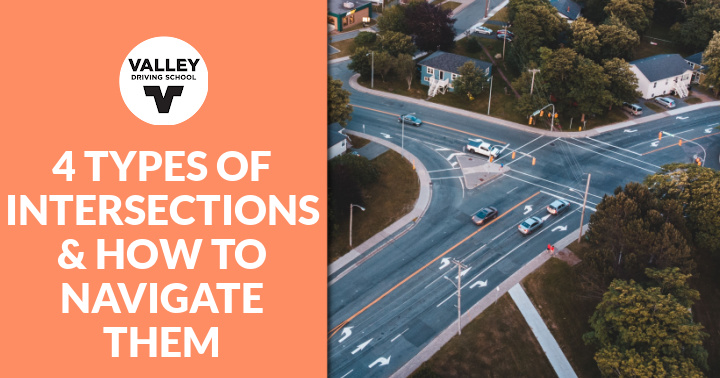
4 Types of Intersections & How to Navigate Them
Intersections are an important part of driving no matter where you are, but do you know all the different types and the rules for each?
How Car Driving Lessons Make Roads & Drivers Safer
Looking to build lasting confidence behind the wheel? Discover how car driving lessons sharpen observation skills and make BC roads safer for everyone.
